 ANTINCORPAN TÍN JOINT STOCK COMPANYPeace of mind • Trust • AN TÍN
 AUTHORIZED APPLICATOR
ANTINCORPAN TÍN JOINT STOCK COMPANYPeace of mind • Trust • AN TÍN
AUTHORIZED APPLICATOR
When an Epoxy floor peels, the cause is usually not the Epoxy itself but the concrete substrate and the installation process. Identifying the real cause helps avoid redoing the work repeatedly.
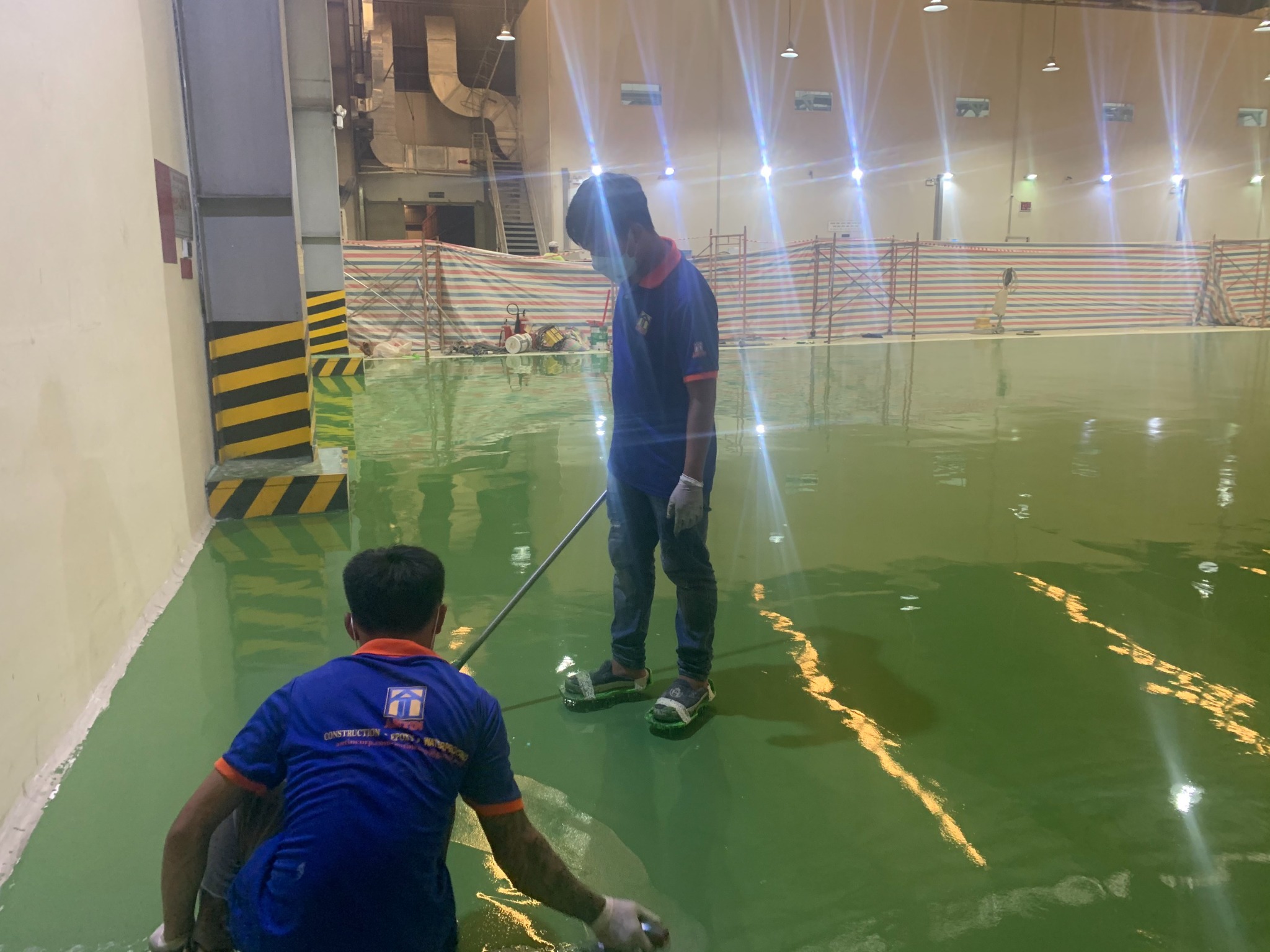
Each area has different requirements: forklifts, chemicals, hygiene, anti-static. ANTINCORP recommends an Epoxy or PU system according to real conditions of use. See the Epoxy and PU industrial floors page.
It can if the cause is local damage. If the substrate is damp or weak over a wide area, the whole zone must be treated.
Usually from moisture or gas trapped under the coating. Check substrate moisture and treat the moisture source.
It depends on the area and the material system. ANTINCORP gives a specific schedule after the survey.
Concrete should be hardened and dust-proofed before Epoxy is applied: see PENESEAL FH (Vietnamese page).